The British Council has launched its Global Safeguarding Toolkit to help schools bridge the gap between having safeguarding policies on paper and putting them into practice every day.
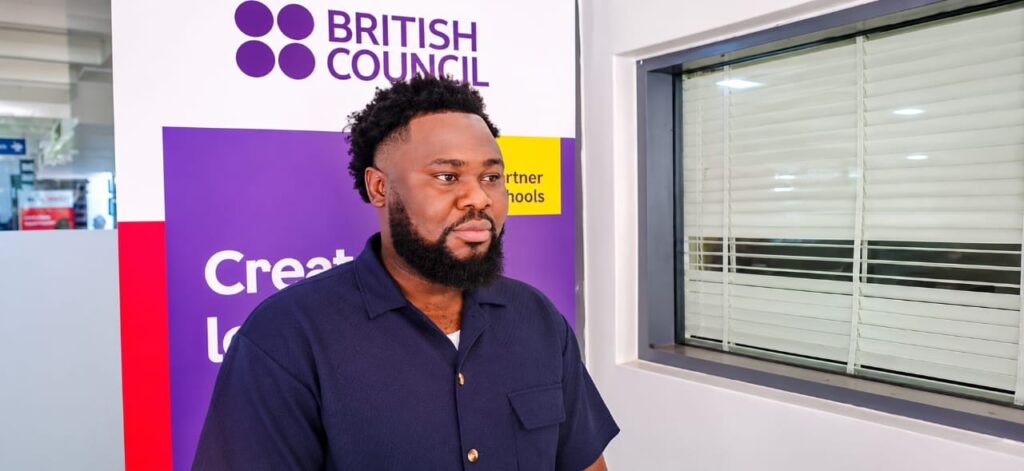
Speaking in an interview, the Deputy Focal Point, Safeguarding, British Council Ghana, Mr Samuel Chibuike, who is also the Exams Marketing Manager for West Africa, said the Toolkit was developed drawing on more than 15 years of the British Council’s safeguarding experience across over 100 countries, with support from UNICEF Spain.
According to him, many schools already have safeguarding policies, but the challenge has always been implementation.
“We wanted to create something practical that schools could use to translate safeguarding commitments into clear actions,” Mr Chibuike said.
He explained that the Toolkit also takes into account the changing nature of safeguarding risks, particularly those emerging in digital environments.
Tackling under-reporting
Mr Chibuike said one of the biggest challenges schools face is that safeguarding concerns are not always reported.
“Children may be afraid to speak out because of stigma, intimidation, power imbalances or uncertainty about whom to approach,” he said.
He added that school staff are sometimes unsure about what constitutes a safeguarding concern, how to respond, or when an issue should be escalated.
The Toolkit, he said, helps address these gaps by providing clearer reporting procedures, defining responsibilities, and establishing consistent approaches to recording, responding to and following up concerns.
Not a replacement for policies
Mr Chibuike stressed that the Toolkit is not intended to replace existing school safeguarding policies, national child protection laws or regulatory requirements.
Rather, he said, it is designed to complement and strengthen them.
“Having a policy does not automatically mean that everyone within the school community understands their role or knows what to do when a concern arises,” he said.
“The Toolkit helps bridge that gap by providing practical guidance on how to put existing policies into action.”
He added that it is adaptable to different national and local contexts, and schools in Ghana should continue to comply with Ghana’s child protection laws and relevant education regulations while using it to strengthen their internal arrangements.
How schools in Ghana can access it
The complete Global Safeguarding Toolkit is being rolled out across all British Council Partner Schools in Ghana as part of the Council’s wider commitment to strengthening safeguarding across its international school network.
However, Mr Chibuike said safeguarding goes beyond Partner Schools, which is why a short-form version, the Safeguarding Starter Kit, has been made freely accessible to the wider public.
Schools, education professionals and other stakeholders in Ghana can download the Starter Kit through the British Council Partner Schools website.
“We encourage school leaders and education stakeholders to explore this resource and consider how its practical guidance can help strengthen safeguarding in their own environments,” he said.
Why the full Toolkit is for Partner Schools
On why the complete Toolkit is limited to Partner Schools, Mr Chibuike said it was developed through significant investment in time, research, financial resources and professional expertise.
He said the Council believes safeguarding is a shared responsibility, and that is why the Starter Kit is freely available to all schools to help them take practical steps towards protecting learners.
“For schools wishing to access the complete Toolkit and benefit from our wider package of school support resources, joining the British Council Partner Schools network provides a pathway to these benefits,” he said.