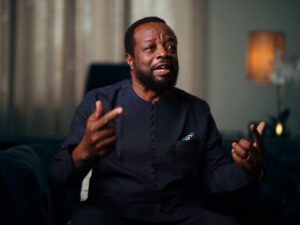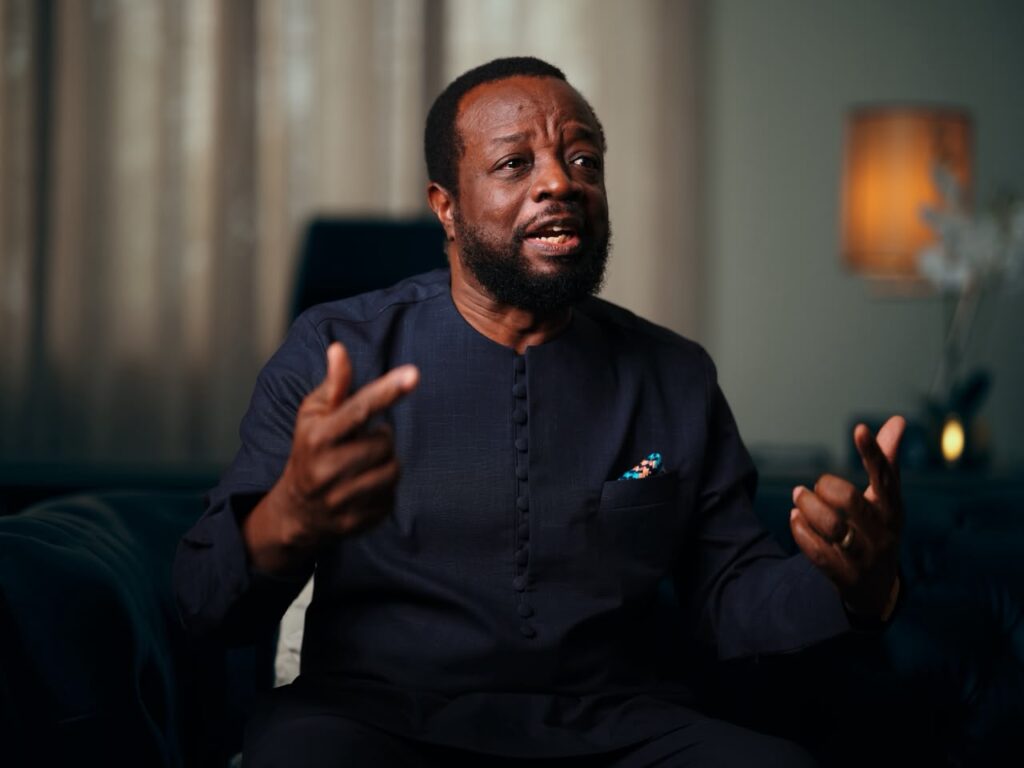
The Flagbearer of the Progressive Alliance for Ghana (PAG), Dr. John Enyonam Kpikpi, has unveiled a bold agricultural plan that could change the face of Ghana’s food economy.
Speaking on Property TV on Monday morning, Dr. Kpikpi introduced the agricultural pillar of his party’s five-point transformational agenda, with a clear promise: End Ghana’s reliance on imported food staples within one four-year term.
He summed it up with a powerful tagline that is already catching fire:
“We grow all that we eat, and we eat all we grow.”
$800 MILLION LEAVING GHANA EVERY YEAR
Dr. Kpikpi did not mince words as he criticised Ghana’s current agricultural trade deficit, describing it as unacceptable that nearly 70 years after independence, Ghana still spends hundreds of millions of dollars importing basic food items.
According to him, Ghana currently spends:
Over $300 million annually importing rice – despite achieving self-sufficiency in rice production in the 1970s
Between $300 million and $500 million on imported poultry
He argued that this money, currently enriching farmers in Vietnam, Thailand, and the United States, should be staying in the pockets of Ghanaians.
“The money that we’ve been shipping out will now be circulating in the pockets and in the bank accounts of Ghanaians,” Dr. Kpikpi stated.
“Just visualize trying to share $800 million among, let’s say, 1,000 Ghanaians. We’re talking about some heavyweights of wealth being produced, and it’s a dignity as well.”
He blamed 34 years of governance under the NDC and NPP for the failure to fix the problem.
THE PAG PLAN: HOW HE WILL DO IT
To achieve food self-sufficiency and even generate an export surplus, Dr. Kpikpi outlined a plan to invest heavily in the full agricultural value chain:
1. Input and Infrastructure Support: Providing farmers with quality rice seeds and establishing processing mills for rice and poultry.
2. Market Guarantee: Establishing a structured system where the state facilitates the purchase of locally produced goods from farmers, so no farmer’s produce goes to waste.
3. Agro-Processing: Moving beyond raw production to local processing and value addition to create sustainable jobs and create local millionaires in the agribusiness sector.
TOMATOES FROM BURKINA FASO?
Dr. Kpikpi also pointed to Ghana’s importation of tomatoes and onions from neighbouring Burkina Faso as evidence of what he termed “visionless leadership.”
He noted that Ghana possesses far more fertile land and water resources than its more arid northern neighbour, yet still fails to meet domestic demand for basic vegetables.
He assured voters that under a PAG administration, targeted planning and investment in rice, poultry, maize, tomatoes, and onions would permanently end these imports and restore economic dignity to Ghanaian farmers.