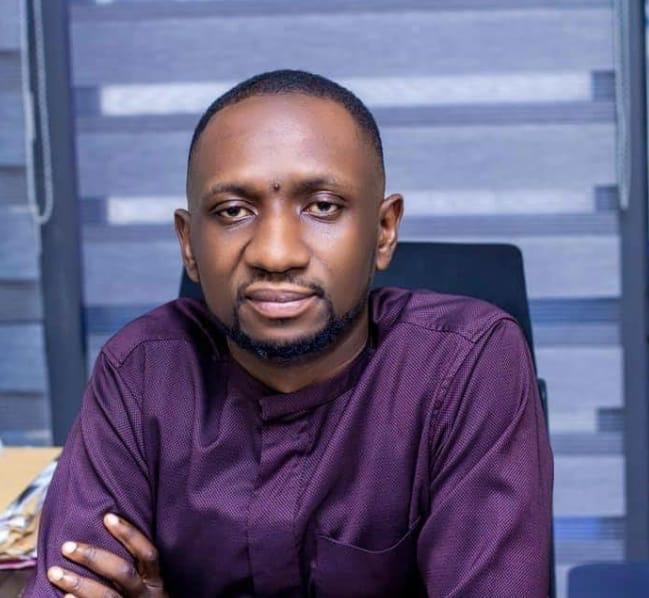
Former Chief Executive Officer of the National Entrepreneurship and Innovation Programme (NEIP), Kofi Ofosu Nkansah
Former Chief Executive Officer of the National Entrepreneurship and Innovation Programme (NEIP), Kofi Ofosu Nkansah, has been granted bail in the sum of GH¢500,000 with two sureties after being charged with the publication of false news.
The case stems from allegations he made publicly concerning irregularities in the award of government-sponsored foreign scholarships, which triggered investigations by the National Intelligence Bureau (NIB).
Mr Nkansah was expected to appear before court earlier this week, but the scheduled appearance was cancelled and adjourned, according to court officials and his legal team.
Investigations
The Presidency directed the NIB to investigate the claims after Mr Nkansah discussed the alleged scholarship-for-sale scheme during a radio programme, raising public concern about transparency in the award process.
Following the directive, investigators invited Mr Nkansah to assist with enquiries and later filed charges of publishing false news against him.
His lawyer, Nana Agyei Baffour Awuah, confirmed that the former NEIP CEO cooperated with investigators during the probe and subsequently secured bail after appearing before authorities.
Political Reactions
The case has generated political debate, with some observers describing the investigation as a necessary step to verify serious allegations involving public resources, while others see it as part of a broader confrontation between government authorities and opposition voices.
Supporters of Mr Nkansah argue that his claims were made in the public interest and should be thoroughly investigated rather than criminalised.
Meanwhile, government officials maintain that the law must take its course when allegations capable of damaging public institutions are made without evidence.
The court is expected to set a new date for proceedings as investigations continue.
The outcome of the case is likely to shape public debate on free expression, accountability, and transparency in public scholarship programmes, especially as Ghana’s political environment becomes increasingly active ahead of future elections.