The government has increased its allocation to the Child and Human Trafficking Fund from GH¢1 million in 2026 to GH¢10 million in 2027, representing a tenfold increase in financial commitment towards combating human trafficking in Ghana.
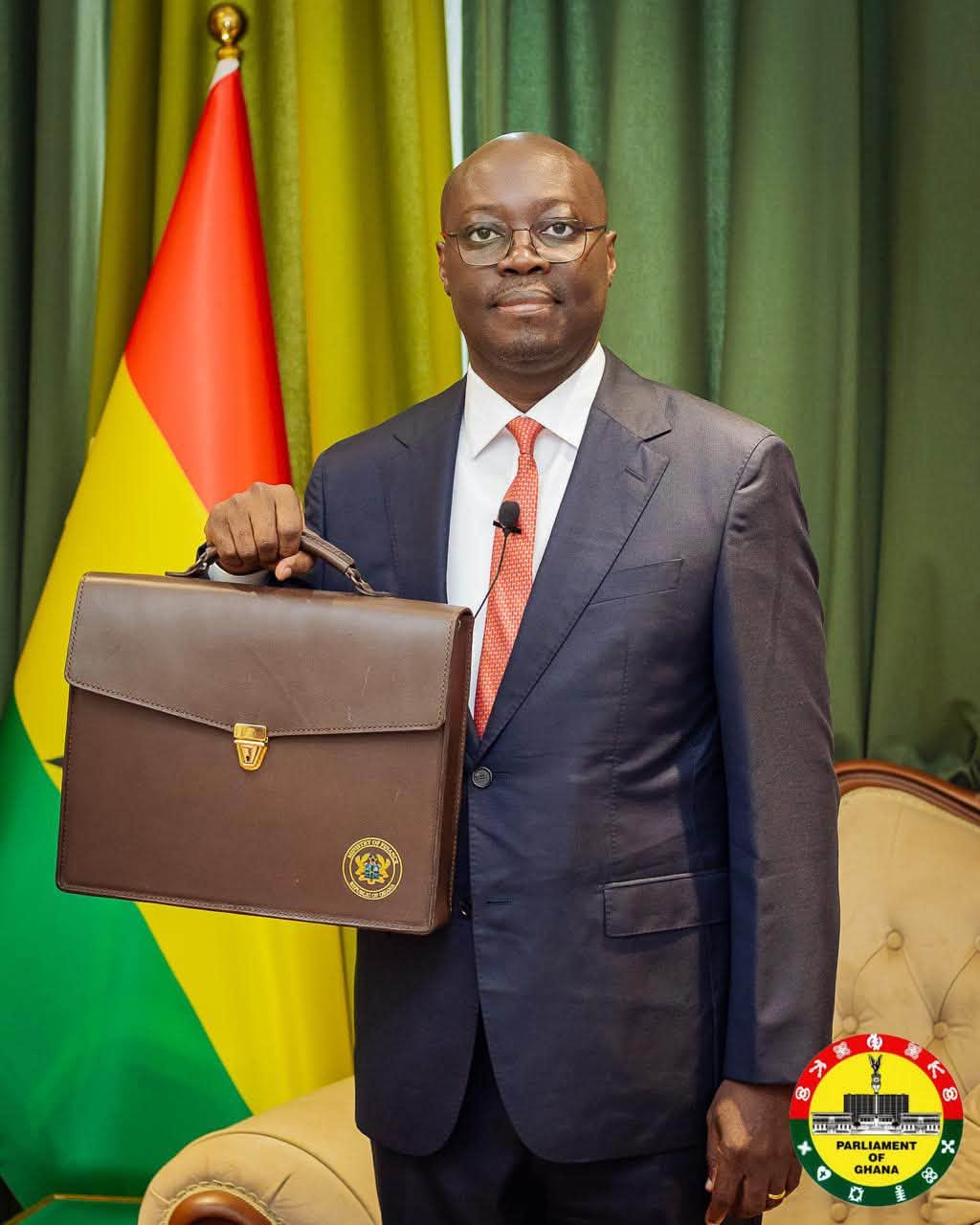
The allocation, announced by Finance Minister Dr Cassiel Ato Forson during the presentation of the 2027 Budget Statement and Economic Policy to Parliament on November 12, 2026, is intended to strengthen victim protection and anti-trafficking interventions.
The provision forms part of the GH¢3.4 billion allocation to the Ministry of Gender, Children and Social Protection.
Renewed fight
The increased funding comes as the government reports significant interventions in the fight against human trafficking.
The Finance Minister also disclosed that the government provided rehabilitation services to 1,432 trafficking victims in 2026, including 181 who received trauma-informed care at government shelters, while 69 were referred for specialised services.
He noted that the government also committed to improving residential facilities, including shelters for survivors of human trafficking, while the Economic and Organised Crime Office (EOCO), in collaboration with the Police and National Security, rescued more than 100 trafficking victims and secured one successful prosecution.
The Ghana Immigration Service also reported the arrest of 44 suspected human traffickers and migrant smugglers and the rescue of 90 victims, highlighting the government’s continuing interventions in combating human trafficking and protecting victims.
Concerns
Meanwhile, analysts, while welcoming the new development, have raised concerns over issues of disbursement.
Sources say the major challenge confronting the Human Trafficking Fund has not necessarily been budgetary allocations but the government’s ability to release approved funds for implementation.
According to reports, the disbursement rate for anti-trafficking allocations was approximately 32.5 per cent in 2024 and declined further to 25 per cent in 2025.
ICEDEG Report
Earlier this year, policy think tank Iustum Center for Democracy and Governance (ICEDEG Africa) raised similar concerns over the financing of anti-human trafficking interventions.
In its July 2026 policy assessment titled The Silence of the 2026 Mid-Year Fiscal Policy Review, ICEDEG Africa raised questions about the government’s failure to provide updates on the Human Trafficking Fund despite reporting on other statutory funds and social protection programmes.
The think tank disclosed that its independent checks had identified only the first-quarter tranche of the GH¢1 million approved for the Fund in 2026 was released, with no subsequent release identified at the time of its review.
ICEDEG Africa argued that the omission raised concerns about fiscal transparency, institutional accountability and the government’s commitment to protecting vulnerable populations, maintaining that human trafficking should be treated not only as a social welfare concern but also as a national security challenge because of its links with organised crime, migrant smuggling and other transnational criminal activities.
It called for timely disbursement of approved funds, regular reporting on allocations and actual releases, stronger parliamentary oversight and adequate financing for district-level anti-trafficking interventions.