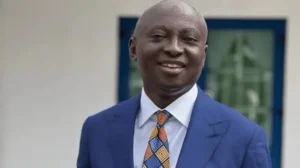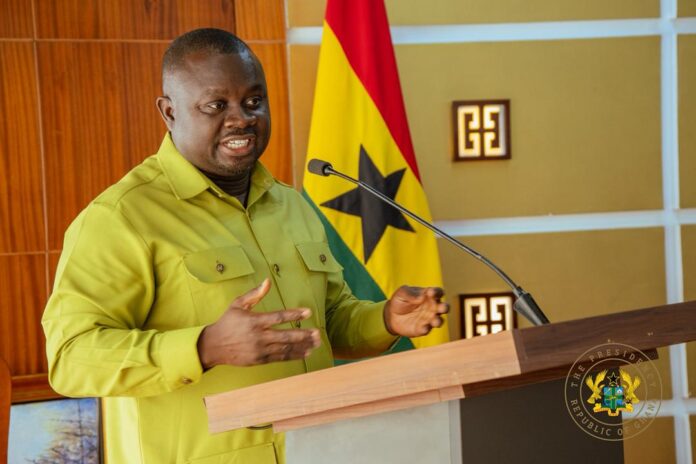
GJA President Albert Kwabena Dwumfour
The Ghana Journalists Association (GJA) is pushing for legislation to establish a minimum wage for journalists working in both public and private media organisations, as concerns grow over poor remuneration, job insecurity and deteriorating working conditions in Ghana’s media industry.
The proposed law, to be pursued through a Private Member’s Bill in Parliament, is intended to guarantee basic remuneration standards and improve the economic welfare of media practitioners while strengthening their professional independence.
GJA President Albert Kwabena Dwumfour disclosed the initiative at the Ashanti Media Excellence Awards in Kumasi, revealing that the association had begun engagements with the Speaker of Parliament and parliamentary leadership to advance the proposal.
According to him, the proposed legislation would apply to both state-owned and privately owned media organisations, ensuring that journalists benefit from minimum employment standards regardless of where they work.
The initiative comes amid growing concerns that poor salaries, inadequate working tools and insecure employment conditions are undermining the quality of journalism and exposing practitioners to external influence.
GJA Seeks Parliamentary Intervention
Mr Dwumfour said the association was working with Parliament to develop a legislative framework that would address the economic challenges confronting journalists.
He explained that the proposed bill would seek to establish a basic minimum wage alongside broader improvements in journalists’ conditions of service.
The GJA President argued that the financial difficulties facing media practitioners had become a significant threat to professional integrity and editorial independence.
He warned that journalists who struggle to meet their basic financial obligations may become more vulnerable to inducements and pressure from individuals and institutions seeking favourable coverage.
According to him, improving remuneration should therefore be considered not merely an employment welfare issue but also an important measure for safeguarding independent journalism.
Poor Pay Threatens Media Independence
Mr Dwumfour expressed concern that journalists were often expected to maintain high professional standards despite working under difficult economic conditions.
He identified poor remuneration, job insecurity, inadequate equipment and limited opportunities for professional development as major challenges affecting the industry.
He maintained that these conditions could weaken journalists’ ability to perform their watchdog responsibilities effectively and independently.
The GJA President further linked the economic vulnerability of journalists to wider concerns about media freedom and national security.
He argued that strengthening journalists’ financial independence would help reduce their exposure to undue influence and improve the credibility of the media.
Speaker Bagbin Backs Legislative Proposal
The proposal has also received support from Speaker of Parliament Alban Sumana Kingsford Bagbin, who recently expressed his willingness to facilitate legislation establishing basic conditions of service for journalists.
During an engagement with the GJA leadership, the Speaker acknowledged the importance of providing media practitioners with adequate financial support to perform their public-interest responsibilities.
He indicated that Parliament’s drafting department could assist in preparing the proposed legislation.
Mr Bagbin also expressed concern about situations in which journalists depend financially on individuals and institutions they are expected to scrutinise.
He maintained that improved working conditions would strengthen the media’s ability to hold public officials and institutions accountable.
Engagement with Media Owners
The GJA says it will continue engaging media owners, employers, regulators, government institutions and other stakeholders to build support for the proposed reforms.
The association believes that improving journalists’ welfare must be accompanied by sustained efforts to strengthen professionalism, accountability and ethical standards within the industry.
Although the proposal has attracted parliamentary interest, the GJA has not yet announced a specific minimum wage figure or a timetable for introducing the bill.
The proposed legislation, if enacted, could establish a new framework for regulating minimum remuneration and conditions of service across Ghana’s media industry.