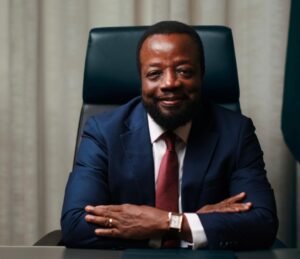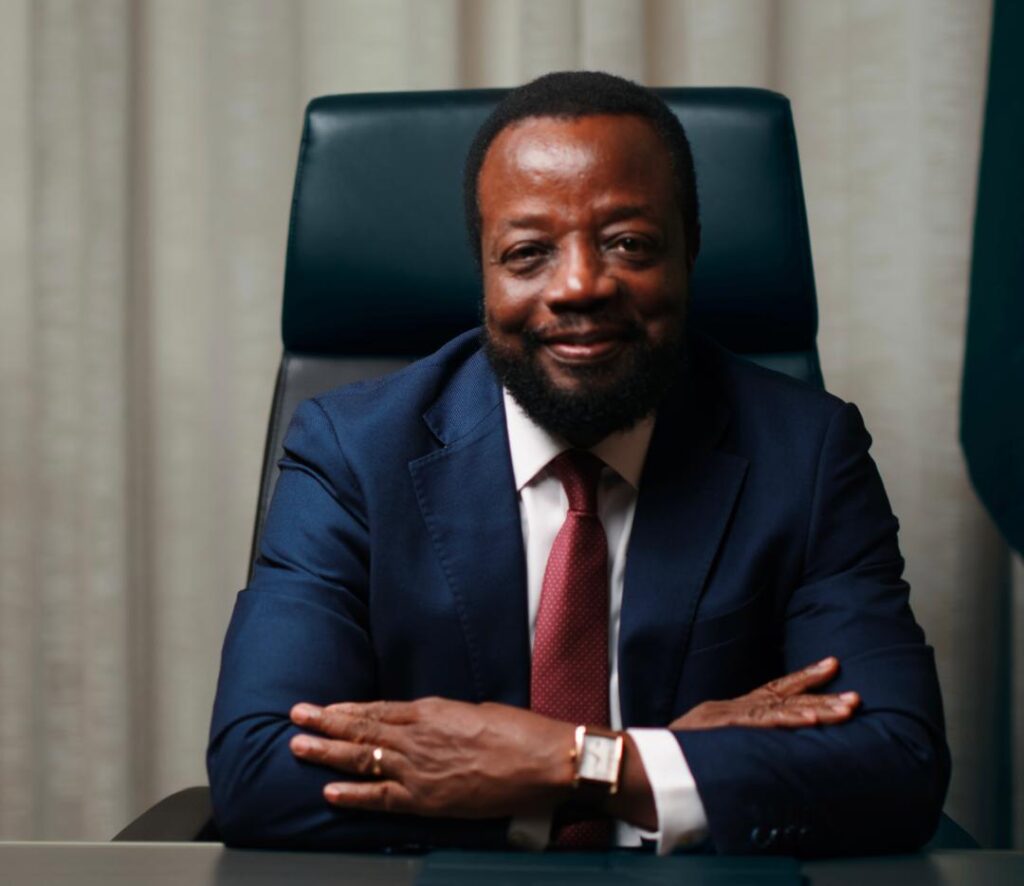
The Flagbearer for Progressive Alliance for Ghana (PAG), Dr John Enyonam Kpikpi, has questioned the connection between the government’s 24-hour economy policy and its new economy agenda, describing the country’s economic direction as an indication of what he considers an ad hoc approach to governance.
Speaking on the Channel 247 TV morning show during a discussion on the 2027 Budget and his party’s policy proposals, Dr Kpikpi said he was concerned about the lack of clarity regarding how the government’s two economic initiatives were expected to complement each other.
He argued that the 24-hour economy was initially presented as a major policy framework for transforming the economy, but questioned what had become of that agenda following the introduction of the new economy concept.
“We are told we have this brilliant idea of a 24-hour economy, which is meant to be the driving force, the one that will shape what we do. Two years down the road, we have a new economy, and we don’t seem to know what exactly the link is between the new economy and the 24-hour economy.”
Dr Kpikpi said the apparent shift raises questions about whether the government has adequately planned its economic transformation agenda, arguing that national economic policies require careful thought, consistency and a clearly defined vision.
He warned that economic governance cannot be treated casually because the consequences of decisions made by government affect the livelihoods, welfare and opportunities of citizens.
“With a nation’s economy, you can’t play games with it because the lives of 34 million Ghanaians are at stake. Many will be dying in poverty. Many will be dying on unconstructed, unmade roads, many may be dying from lack of medicines.”
The PAG flagbearer also criticised the National Democratic Congress (NDC) and the New Patriotic Party (NPP), arguing that successive governments have failed to fundamentally change the structure of Ghana’s economy over the past 34 years.
He said the country continues to depend heavily on external sources for goods and services, a situation he believes reflects the absence of a sustained national plan to build domestic production capacity.
Dr Kpikpi said the government’s latest economic proposals, including plans to promote local production and processing, were welcome in principle, but questioned whether the ruling party had the commitment and capacity to implement them.
He argued that Ghana needs a long-term economic vision that goes beyond policy announcements and focuses on transforming the country’s productive base.