The Ghana Boundary Commission (GhBC) has announced plans to commemorate the 16th African Border Day with a major humanitarian and development-focused intervention to strengthen peace, security, and cooperation among border communities along the Ghana-Burkina Faso frontier. The commemoration of the 16th African Border Day will take place over a three-week period beginning on Monday, June 1 and end on Thursday, June 18, 2026.
Activities lined up for the celebration include media engagements, public awareness campaigns, health screening exercises, community sensitisation programmes, stakeholder consultations, infrastructure commissioning ceremonies and sporting activities aimed at strengthening cross-border relations. GhBC has therefore adopted the theme, “Strengthening Human Security along Border Communities between Ghana and Burkina Faso through Sustainable Water Access” to commemorate the 16th African Border Day.
The Commission notes that the theme aligns with the African Union theme for 2026, “Assuring Sustainable Water Availability and Safe Sanitation Systems to Achieve the Goals of Agenda 2063, which emphasises access to water and improved sanitation as critical to human security, peaceful coexistence and sustainable development, particularly within underserved border communities.
The theme, according to GhBC, was carefully selected in response to the growing water accessibility challenge confronting communities located along parts of Ghana’s International Boundary.
Response to Water Challenges in Paga and Sapelliga
According to the Commission, improving access to potable water remains critical to promoting human security, strengthening peaceful coexistence, and advancing sustainable border governance among communities that depend heavily on the limited natural resource for survival.
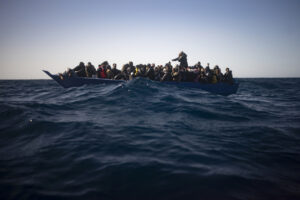
The Commission explained that water scarcity in many border communities continues to pose significant threats to livelihoods, sanitation, health and peaceful coexistence, particularly in areas already experiencing rapid population growth and migration pressures. It noted that sustainable access to clean water is not only a development issue but also an important peacebuilding tool that can reduce tension and vulnerability in fragile border areas.
Thus, as part of this year’s commemoration, the Ghana Boundary Commission, in collaboration with the National Boundary Commission of Burkina Faso and with support from the International Organisation for Migration, will undertake the construction of two mechanised boreholes, one each in Paga and Sapelliga in the Upper East Region. The intervention is expected to improve water security, support better living conditions, and contribute to stability in these communities.
Strategic Selection of Beneficiary Communities
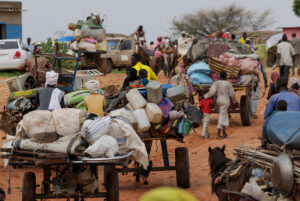
Paga and Sapelliga were selected as beneficiary communities for the mechanised borehole projects due to their strategic importance. Paga is a major crossing point along the Ghana-Burkina Faso International Land Boundary, while Sapelliga, located in the Bawku West, hosts displaced persons from neighbouring West African countries.
According to the Community Water and Sanitation Agency (CWSA), the border populations in the two locations depend heavily on hand-dug wells, protected wells and, in some cases, boreholes as their main sources of drinking water. Noting the increasing immigration pressures in the two locations amid the limited water sources, GhBC stressed that constructing a borehole each at the locations would significantly ease the burden on residents while promoting social stability and community resilience.
Media Engagements and Public Awareness
Planned activities to commemorate the 2026 African Border Day would be conducted in Phases. The first phase will focus on a series of media engagements and public awareness creation from June 1 to June 12. During the period, the Commission will engage various radio, television stations and digital platforms to educate the public on the mandate of the Commission, the significance of African Border Day, the African Union Border Programme and the importance of peaceful border management.
The media campaign will also be used to announce planned joint activities with Burkina Faso at Paga. As part of efforts to elevate national attention on the celebration, a statement is expected to be delivered on the floor of Parliament by Minister for Lands and Natural Resource, Hon Emmanuel Armah Kofi Buah during the week of June 8 to June 12.
Upper East Regional Community Engagements
The second phase of activities will move to the Upper East Region, where community engagements and infrastructure commissioning exercises will take place at Sapelliga and Paga. Activities in the border areas will include a free health screening, handing over of the newly constructed borehole to the communities through their respective District Assemblies and sensitisation of the border residents.
The celebration will climax with a durbar at Paga. The durbar will host government officials, development partners, traditional leaders, security agencies and residents from Ghana and Burkina Faso. One of the major highlights of the celebration will be a friendly football match between cross-border community teams aimed at promoting unity, friendship, and social integration among residents on both sides of the border.
Institutional Participation and Broader Vision
Several institutions and organisations are expected to participate in the commemoration. They include the Ministry of Lands and Natural Resources, the Ministry of Foreign Affairs, the Ministry of Local Government, Chieftaincy and Religious Affairs, the Upper East Regional Coordinating Council, the Upper East Regional Security Council, district assemblies, traditional authorities, Civil Society Organisations and community representatives from Ghana and Burkina Faso.
The Ghana Boundary Commission indicates that the 16th African Border Day celebration presents an important opportunity to translate the objectives of the African Union Border Programme and the African Union Convention on Cross-Border Cooperation (Niamey Convention) into practical and visible benefits for people living within border communities. According to the Commission, the combination of awareness-raising, community engagement, and sustainable water interventions reflects the broader vision of the African Union Agenda 2063, which seeks to promote peaceful, integrated, and prosperous communities across Africa’s borders.
The Commission further expressed confidence that the activities planned for the 2026 African Border Day would deepen cross-border cooperation, strengthen human security, and improve the quality of life for residents in Paga, Sapelliga, and neighboring cross-border communities along the Ghana-Burkina Faso boundary.