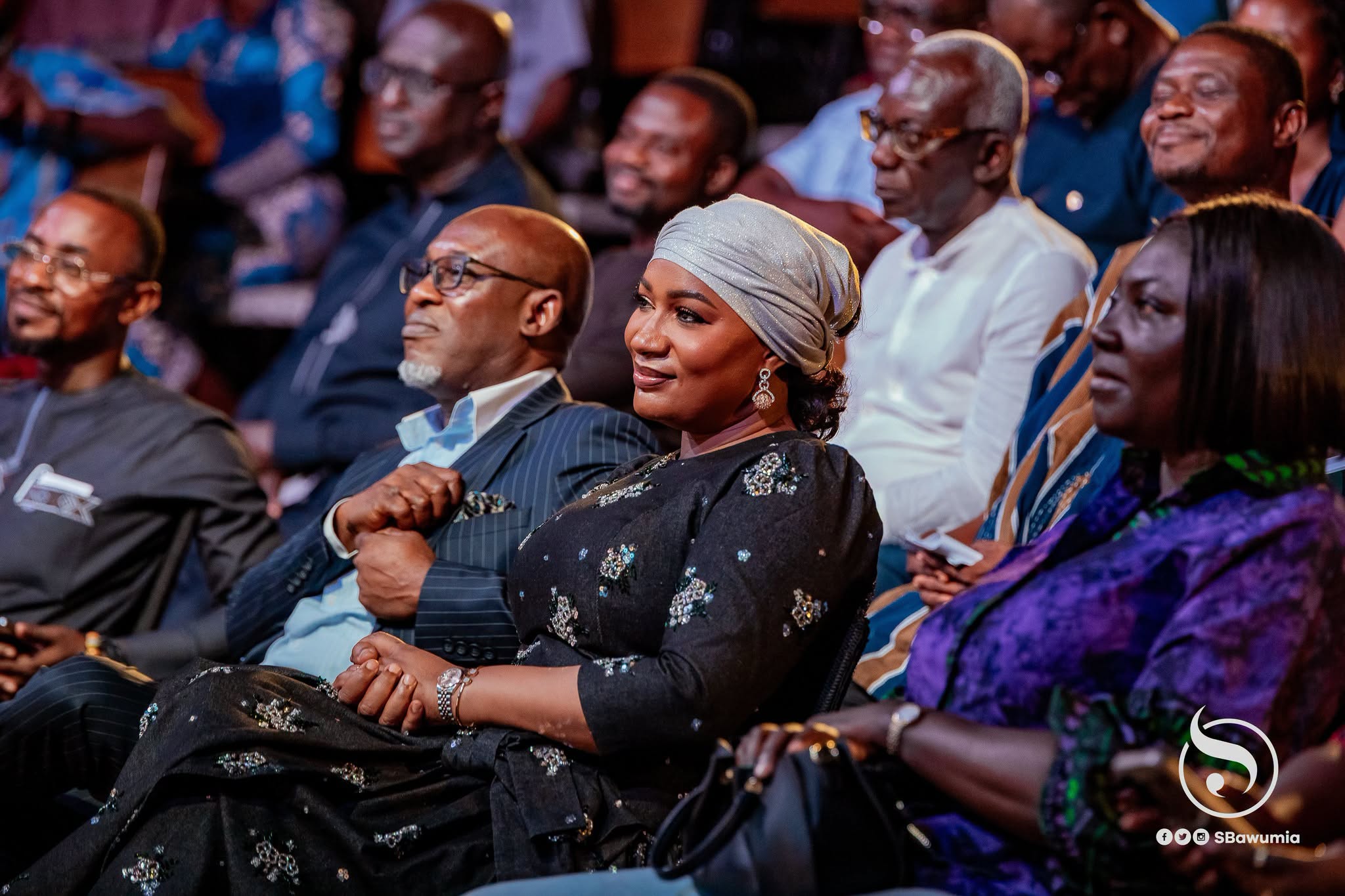
Former Second Lady Samira Bawumia has urged young Ghanaian writers to use their literary works to preserve the country’s cultural heritage, document its experiences and ensure that Ghanaian stories remain relevant to future generations.
Delivering the keynote address at the Samira Bawumia Literature Prize 2026 Awards Ceremony and Literary Night, Mrs Bawumia emphasised the importance of storytelling in preserving national identity, history and cultural values.
“If we don’t tell our story, who will?” she asked, encouraging young writers to contribute to the development of an authentic African literary tradition.
She noted that stories were an important part of a people’s identity because they reflected their history, values, experiences and understanding of the world.
According to her, literature has the power to inspire children, challenge stereotypes, preserve culture and help readers appreciate experiences different from their own.
Mrs Bawumia said the entries submitted for the competition demonstrated that Ghana’s literary heritage was not confined to the past but remained a living tradition capable of evolving and reaching new audiences.
She consequently encouraged emerging writers to continue developing their skills and producing works that reflected Ghanaian experiences and celebrated the country’s cultural identity.
She maintained that their creativity and perspectives would be essential to preserving, reimagining and passing Ghana’s stories on to future generations.
Invest in Emerging Writers
Speaking at the ceremony, the Publishing Manager and Head of Human Resource and Administration at Buck Press Limited, Nana Ama Buckman, called for increased investment in emerging writers through mentorship, publishing opportunities, writing workshops and reading programmes.
She said Ghana’s rich storytelling tradition, spanning folktales, novels, poetry and non-fiction, had contributed significantly to shaping societal values, nurturing creativity and strengthening communities.
“Literature remains one of the most powerful tools for national development because it fosters critical thinking, empathy, communication and lifelong learning,” she stated.
Ms Buckman explained that publishing played a critical role in transforming writers’ ideas and manuscripts into works accessible to wider audiences.
She observed that although many emerging writers possessed exceptional talent, limited opportunities often prevented their works from gaining the visibility they deserved.
“These awards provide encouragement, visibility and confidence to young writers. They send a powerful message to these young minds that their voices can be heard and their contributions are valued,” she said.
She therefore called for stronger collaboration among stakeholders in the literary sector to establish initiatives that would support emerging authors and promote reading among young people.
Writers Challenged to Uphold Originality
The Head of the Department of English at the University of Ghana, Dr Kwame Osei-Poku, challenged young writers to demonstrate originality, discipline and courage in their literary pursuits.
He urged them to draw inspiration from their cultural heritage while developing distinctive voices that reflected their experiences and contributed to African literature.
Dr Osei-Poku stressed that originality had become particularly important in an era when technology could generate written content within seconds.
“Originality is integrity on the page,” he stated, encouraging writers to remain authentic in their creative expression.
He also emphasised that talent alone was insufficient to sustain a successful literary career, urging aspiring authors to develop the discipline of continuous reading, drafting and revision.
Beyond creativity, he identified integrity, commitment, respect and loyalty as important values that should guide writers in their professional development.
Dr Osei-Poku further called for sustained mentorship, writing workshops and publishing opportunities to help emerging writers reach audiences beyond literary competitions.
He commended the partnership between the University of Ghana and the Samira Bawumia Literature Prize, describing the initiative as an important link between academic institutions and the wider literary community.
30 Young Writers Honoured
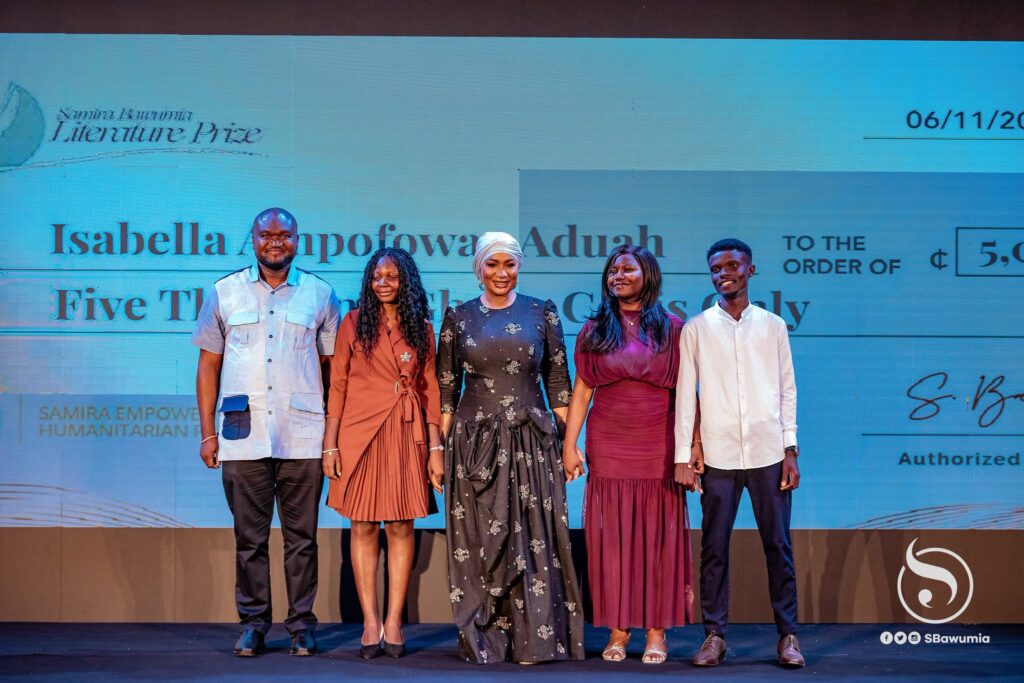
The 2026 Samira Bawumia Literature Prize honoured 30 young Ghanaian writers for their creative works in fiction, non-fiction and poetry.
The awardees received cash prizes, certificates and other honours in recognition of their literary talents and contributions to creative writing.
Established in 2020, the initiative seeks to promote reading, nurture emerging literary talent and preserve Ghanaian stories through creative writing.
The prize complements the Library in a Box Project, an initiative of the Samira Empowerment and Humanitarian Projects (SEHP), which has distributed more than half a million books to schools without libraries across Ghana.
The organisers hope the initiatives will continue to encourage reading, support young writers and strengthen Ghana’s literary heritage.