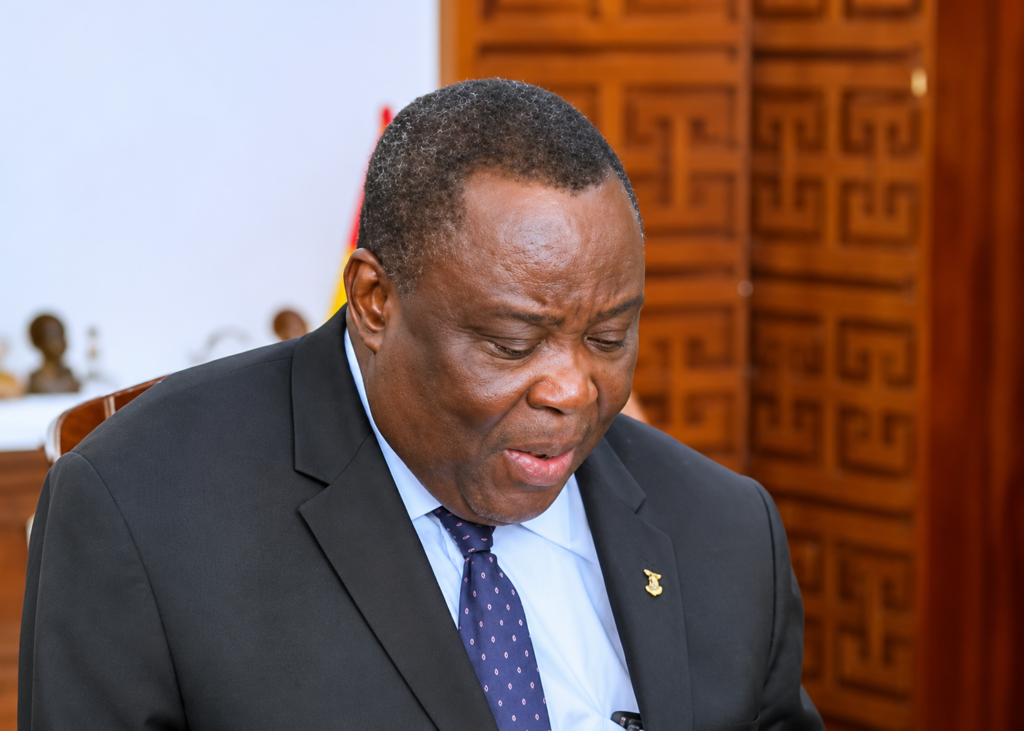
His Lordship Justice Gabriel Scott Pwamang, appointed to the Supreme Court in June 2015, is among the most senior members of the Supreme Court Bench, following Chief Justice Paul Baffoe-Bonnie, who is set to retire on December 26, 2026.
The principle of hierarchical ascendancy to the highest position within a professional service has been advocated for many years in Ghana. The underlying argument is that appointments to the highest offices of professional institutions should be substantially informed by merit, accumulated experience, seniority, and dedicated years of service.
A system grounded in these principles promotes institutional sanity, encourages discipline, and motivates officers to aspire to the highest levels of their respective professions. Once institutionalized, it is capable of depoliticizing career progression and strengthening institutional independence and competence.
It also creates a predictable career pathway in which commitment, competence, and years of service are rewarded.
A Proposed Career Progression Model
For the Government of Ghana and the Judiciary, the following model deserves serious national consideration:
1. Lower Courts to Higher Courts: Judicial officers who have demonstrated competence, integrity, and dedicated service over a prescribed number of years should have a clear pathway for promotion.
2. Court of Appeal to Supreme Court: Justices of the Court of Appeal who have served meritoriously should be automatically eligible for elevation to the Supreme Court, subject to a clearly established professional code of conduct.
3. Private Legal Practice to the Judiciary: Lawyers in private practice should have a transparent pathway into the judicial service after accumulating sufficient years of distinguished practice and meeting required standards.
4. Seniority and Merit at the Apex: The leadership of the Supreme Court should, as far as the constitutional framework permits, reflect accumulated judicial experience, professional seniority, integrity, and demonstrated competence.
Under such an arrangement, His Lordship Justice Pwamang’s accumulated private legal practice and over a decade of Supreme Court institutional memory represents advanced merit under Articles 128 and 144 of the 1992 Constitution for consideration for the apex office.
On the basis of seniority-based progression at the Supreme Court, His Lordship stands strongly positioned as a suitable candidate for the highest judicial office of the Republic.
His accumulated years of legal practice, judicial service, and experience on the Apex Court are unquestionably valuable professional credentials.
The broader national objective is to establish a judicial system in which the highest office is attained through professional excellence, institutional experience, and demonstrated commitment to the administration of justice.
A nation must build institutions in which people aspire to the top through service, competence, and integrity. Such a culture of professional seniority, properly balanced with merit and constitutional safeguards, would contribute significantly to institutional independence, public confidence, and sustainable nation-building.
By: Benjamin Anyagre Aziginaateeg, Leader – AfriKan Continental Union Consult (ACUC)