Women, Media and Change (WOMEC) has called on the Government of Ghana to urgently prioritise sustainable domestic financing for essential nutrition commodities to protect millions of women and children from preventable deaths.
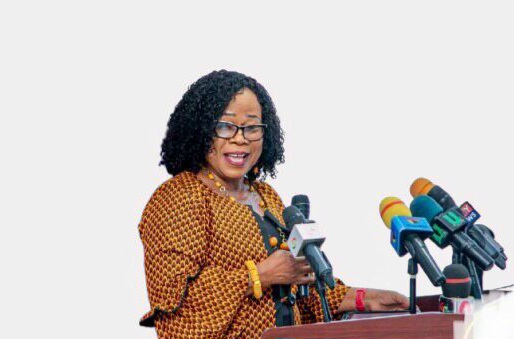
In a press statement issued in Accra on Wednesday, 12 November 2026, and signed by its Executive Director, Dr. Charity Binka, WOMEC warned that Ghana’s continued reliance on donor support for life-saving nutrition commodities puts the lives of vulnerable children and pregnant women at serious risk.
The Crisis
According to WOMEC, about 61,600 children suffer severe acute malnutrition annually in Ghana, but only 15 percent receive treatment.
Two commodities are at the centre of the crisis:
– RUTF (Ready-to-Use Therapeutic Food): Used to treat children with severe acute malnutrition
– MMS (Multiple Micronutrient Supplements): Given to pregnant women to prevent anaemia, low birth weight and other complications
WOMEC noted that the supply of MMS in Ghana is entirely dependent on external support, while there is no reliable data on budget allocations, releases and actual spending on nutrition commodities by government.
“Ghana must move from depending on donor goodwill to demonstrating national commitment through sustained domestic investment,” the statement said.
Five-Point Call To Action
WOMEC outlined five priority areas for government action:
– 1. Costing and evidence: Improve costing and data generation to guide planning and budgeting for nutrition commodities
– 2. Integration into health insurance: Include RUTF and MMS in the NHIS Benefits Package and clarify their coverage under the Free Primary Healthcare policy
– 3. Domestic funding: Develop a phased plan to progressively increase government funding for procurement and distribution
– 4. District budgeting: Improve resource allocation and budgeting for nutrition at the district level
– 5. Accountability: Introduce dedicated budget tracking and strengthen parliamentary oversight on nutrition spending
Background
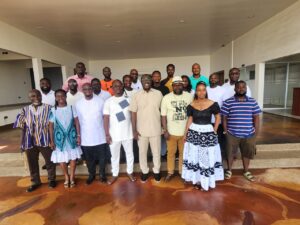
The position paper builds on a high-level engagement held on 1 October 2026 on the sidelines of the Micronutrient Forum Global Conference in Accra, with support from the Eleanor Crook Foundation (ECF).
Participants included representatives from the Ghana Health Service (GHS), National Health Insurance Authority (NHIA), National Development Planning Commission (NDPC), Parliament, academia and CHAI Ghana.
WOMEC says the time to act is now, stressing that investing in nutrition is not a cost but a foundation for Ghana’s human capital development, economic productivity and future prosperity.