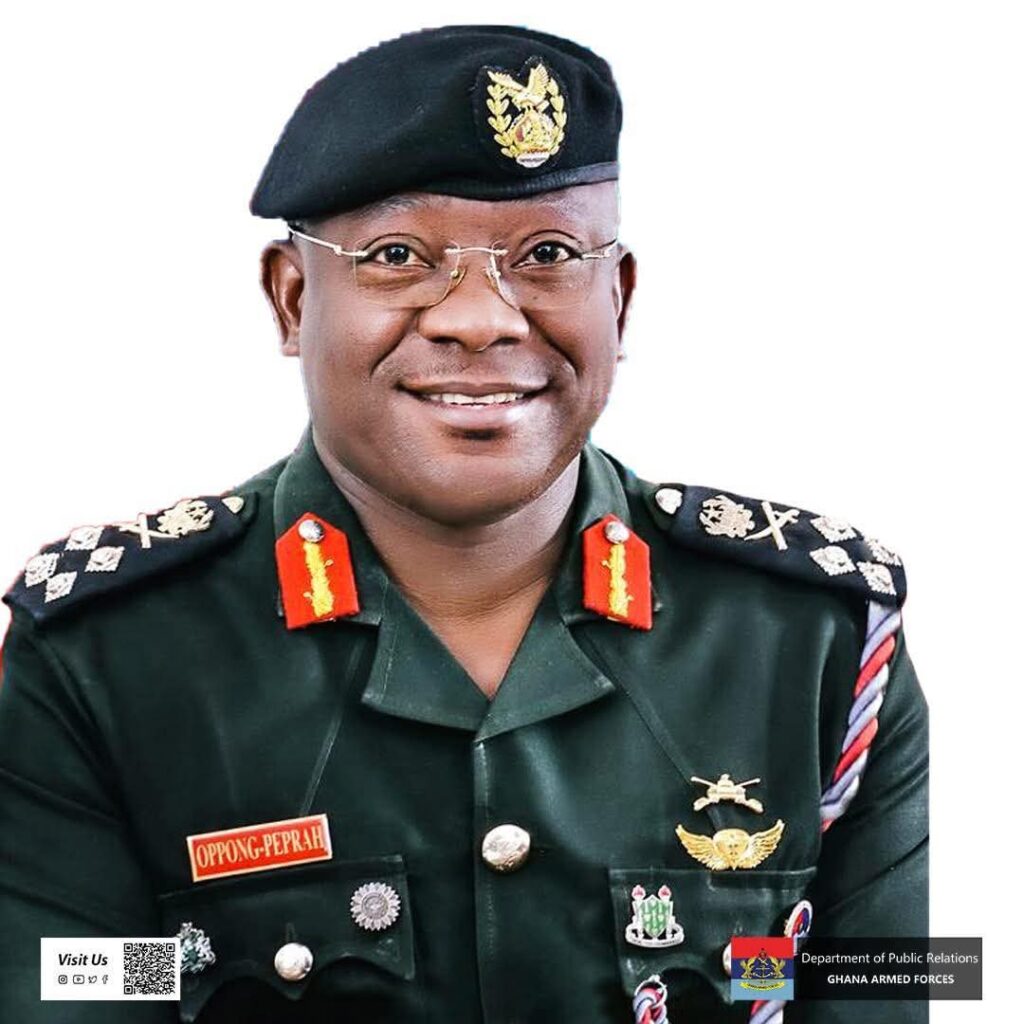
Former Chief of Defence Staff, General Thomas Oppong-Peprah
Former Chief of Defence Staff, General Thomas Oppong-Peprah, has dismissed allegations questioning his loyalty to Ghana following his recent honour by the French government, describing the claims as unfounded and “uncivilised.”
Responding to social media backlash, the retired General rejected suggestions that the recognition signified external allegiance, stating that “no spy goes to an embassy to be decorated publicly.” He attributed the claims to attempts by “some aliens” to tarnish his long-standing reputation.
The controversy emerges amid the political transition from the administration of Nana Addo Dankwa Akufo-Addo to the second term of President John Dramani Mahama, a period marked by reviews of several security appointments.
Tradition
In a detailed statement, General Oppong-Peprah explained that the honour is part of a long-standing international tradition of recognising military excellence among alumni of foreign military institutions.
The recognition traces back to 2009, when he was selected as a Lieutenant Colonel by the Government of Ghana to undertake a prestigious military course in France, becoming the first Ghanaian officer to attend and excel in that programme.
According to the statement, countries such as France and the United States routinely honour foreign officers who rise to lead their national armed forces, provided they demonstrate professionalism, innovation, and commitment to democratic values.
It added that such honours are awarded to officers who train abroad, return to serve their countries, rise to top command, and maintain exemplary character.
General Oppong-Peprah’s recognition, the statement noted, aligns with similar honours conferred on distinguished figures such as former Chief of Defence Staff, General Seth Obeng, and Nigeria’s former Head of State, General Abdulsalami Abubakar.
Transformational Leadership
The statement highlighted his contributions as Chief of Army Staff and later Chief of Defence Staff, particularly in expanding Ghana’s military presence in response to emerging threats in the northern regions.
Under his leadership, new units and barracks were established, addressing gaps where the nearest military presence to some northern borders was more than five and a half hours from Tamale.
He also spearheaded the establishment of the Army Peace Operations Training School at Bundase, which secured United Nations certification within two years, alongside upgrading facilities from tented accommodation to modern structures.
Additionally, he founded the Army Special Forces Brigade, facilitating international training collaborations with countries including the United Kingdom, Morocco, and Côte d’Ivoire.
His tenure also prioritised personnel welfare through housing projects across several garrisons, including Mognori, Damongo, Daboya, Sunyani, Bui, Dokorkyina, and Accra.
Global Service and Honour
General Oppong-Peprah’s international experience includes peacekeeping missions in Lebanon, Western Sahara, the Aouzou Strip in Chad, and during the Rwandan crisis.
On 19 March 2026, he received the Ordre National du Mérite, Insigne de Commandeur, from the French Ambassador to Ghana, Diarra Dimé Labille, at a ceremony in Cantonments, Accra. The award recognises his leadership, particularly in peacekeeping, and his service as Chief of Defence Staff.
Loyalty to Ghana
Amid the controversy, the retired General reaffirmed his allegiance to Ghana, insisting that the honour reflects merit, professionalism, and decades of dedicated service.
Now appointed Ghana’s Deputy High Commissioner to Canada, he maintained that his career has consistently been guided by national interest, discipline, and international cooperation.