Kojo Oppong Nkrumah
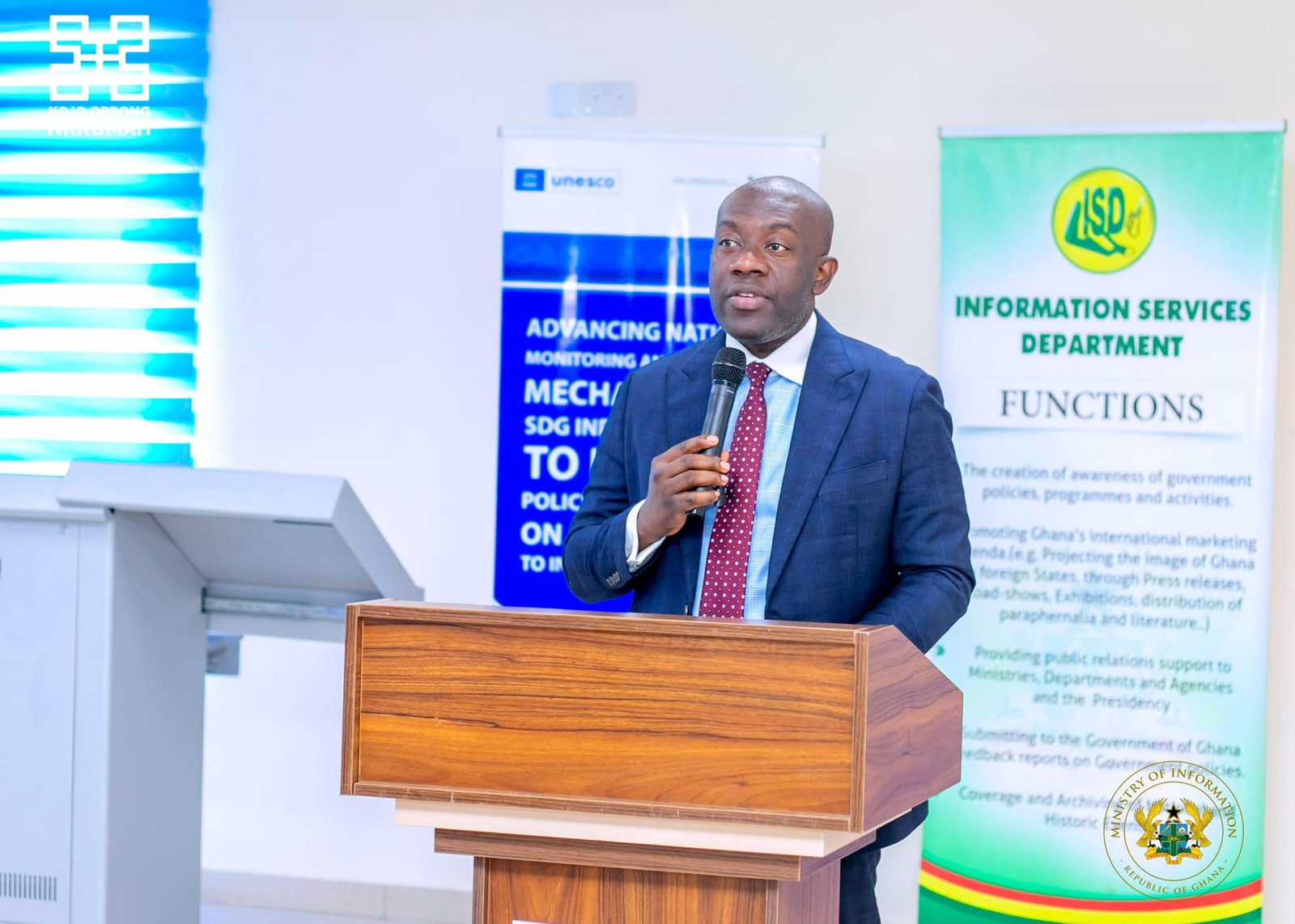
The Member of Parliament for Ofoase-Ayirebi and Ranking Member on Parliament’s Economy and Development Committee, Kojo Oppong Nkrumah, has challenged the government’s post-IMF economic narrative, arguing that claims of stability and recovery are meaningless if they do not translate into jobs and improved living conditions for ordinary Ghanaians.
Contributing to a parliamentary debate following a statement by the Finance Minister on Ghana’s economic outlook after the completion of the IMF Extended Credit Facility (ECF) programme, the former Information Minister accused the government of overemphasising macroeconomic indicators while ignoring the realities facing households.
According to him, true economic success must be measured by employment levels, household incomes and the affordability of essential goods and services, not just statistical improvements.
Concerns Over Parliamentary Procedure
Mr. Oppong Nkrumah also questioned what he described as a breach of parliamentary convention, stating that the Minority had not received a courtesy copy of the Finance Minister’s statement before it was delivered.
He argued that advance circulation of such statements is essential for informed debate, adding that portions of the Minister’s remarks had already circulated publicly before Parliament could respond formally.
Youth Unemployment Still a Major Concern
The Ranking Member raised particular concern over rising youth unemployment, citing data from the Ghana Statistical Service’s Quarterly Labour Force Survey for the third quarter of 2025.
He noted that unemployment among persons aged 15 to 24 rose from 32 per cent in December 2024 to 32.5 per cent in Q3 2025, despite government claims of economic recovery.
In the Greater Accra Region, he said, youth unemployment has reached 49.3 per cent, meaning nearly one in every two young people is without work.
He further warned that seven out of every ten unemployed persons in Ghana are below the age of 35, describing the trend as a major threat to long-term economic and social stability.
Rising Cost of Living Undermines Gains
Mr. Oppong Nkrumah also argued that falling headline inflation figures do not fully reflect the economic pressures facing households.
He pointed to persistently high services inflation, rising rents, and increasing utility costs as evidence that many Ghanaians are yet to experience meaningful relief.
According to him, citizens judge the economy by the prices they pay and the opportunities available to them, not by macroeconomic projections.
Questions Over Tax and IMF Claims
The MP also challenged government claims of reduced tax burdens, noting that while some taxes have been abolished, new revenue measures have also been introduced.
He argued that this has complicated the government’s fiscal position, with revenue targets underperforming and some expenditure commitments unmet.
Mr. Oppong Nkrumah further rejected suggestions that Ghana has “exited the IMF,” explaining that the country has only completed the ECF programme and remains engaged with the Fund through a Policy Coordination Instrument (PCI).
He urged government to be transparent with the public about the nature of its ongoing IMF engagement.
“The numbers that Ghanaians are watching in their daily lives are actually getting worse,” he told Parliament, insisting that real economic progress must be felt in jobs, incomes and living standards rather than statistics alone.