Journalists have been urged to adopt trauma-informed care approaches in their line of work, particularly when reporting on stories involving survivors of trafficking and child labour, due to the severe emotional and psychological consequences associated with reliving traumatic experiences.
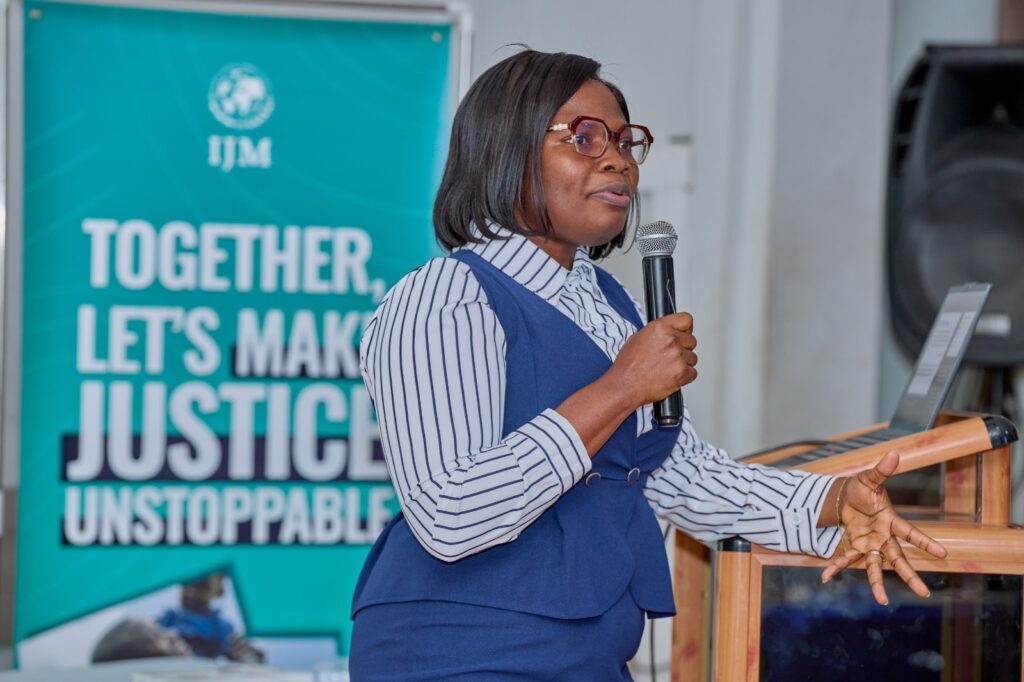
Speaking on Wednesday at Aburi in the Eastern Region, the Social Services Manager of the International Justice Mission (IJM), Vida Mamley-Selorm Hodinyah, said trauma is a widespread emotional response that affects an individual’s ability to cope.
She explained that such emotional responses are often long-lasting and vary from person to person, stressing that survivors of trafficking are especially vulnerable and may not wish to revisit their experiences.
Mrs Hodinyah cautioned journalists to exercise extreme professionalism and sensitivity when interviewing survivors, noting that improper engagement could lead to re-traumatisation.
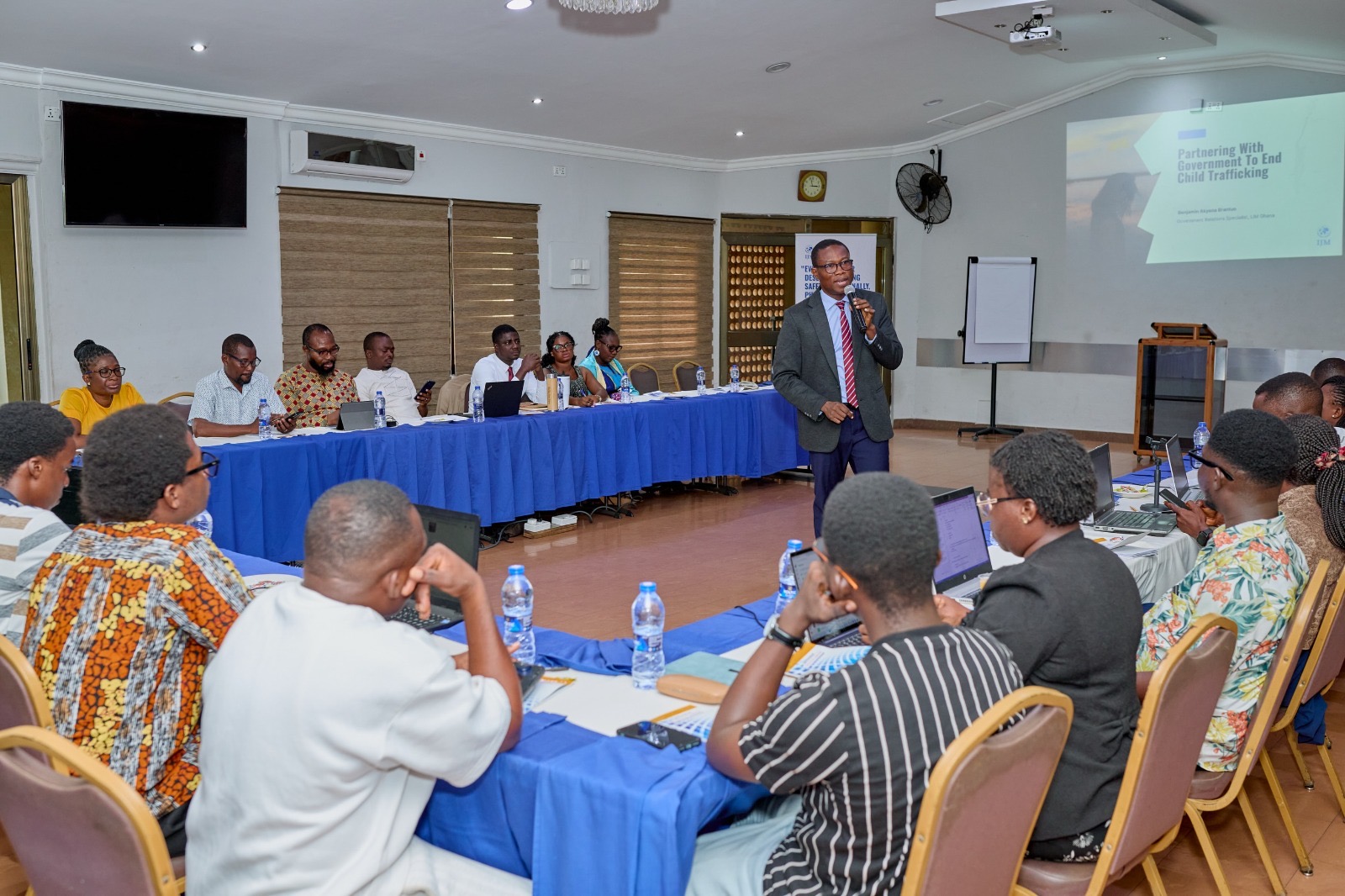
The workshop was held as part of a four-day training programme organised by IJM for journalists from the Greater Accra and Eastern regions.
Triggers
Explaining trauma responses, she said common triggers act as “false alarms” that make survivors feel as though the traumatic event is happening again.
She therefore urged journalists to apply trauma-informed principles by understanding the impact of trauma, recognising its signs and symptoms, responding appropriately, and avoiding actions that may re-traumatise victims.
She further encouraged journalists to focus on reporting that supports the fight against trafficking, strengthens the justice delivery system, improves public confidence in institutions, and promotes survivor safety.
Training
The four-day programme, which ends today, Friday, May 22, 2026, introduced journalists to IJM’s work in Ghana and efforts to protect vulnerable children.
It also aimed at building capacity for accurate and ethical reporting on child trafficking, equipping participants with principles of trauma-informed journalism, and strengthening collaboration between the media and key stakeholders in the fight against child exploitation.
Participants were taken through topics including Ghana’s Human Trafficking laws and factors that drive trafficking.
Resource persons were drawn from the Ghana Police Service, civil society organisations, the Ministry of Gender, Children and Social Protection, legal practitioners, and communication experts.
Priority
Government Relations Specialist at IJM, Benjamin Brantuo, also called for intensified government efforts to address the growing menace of human trafficking and child exploitation.
He said trafficking remains prevalent in several communities and requires urgent, coordinated interventions from stakeholders, adding that the rising cases of child exploitation and forced labour remain a major national concern.